 EN
EN

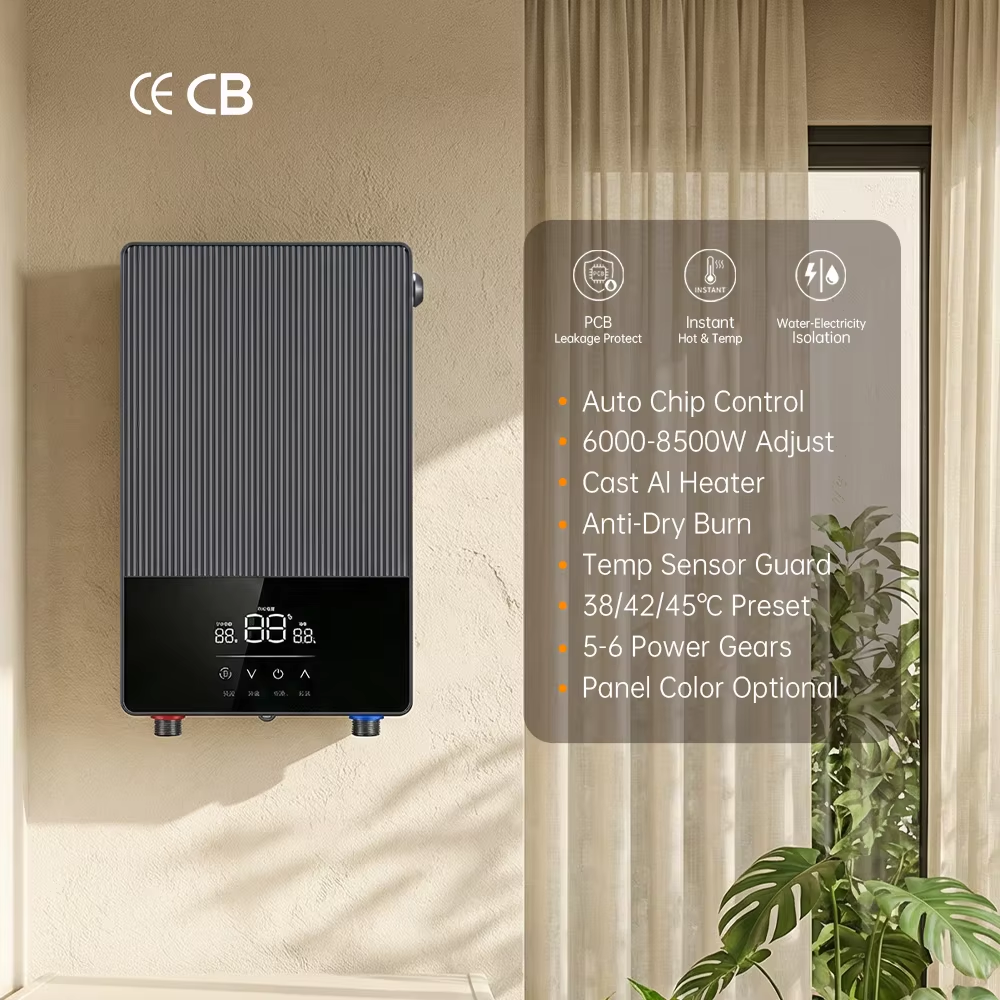
The Fundamental Shift in Modern Residential Heating
The traditional landscape of residential heating has long been dominated by fossil fuel-reliant systems, such as natural gas furnaces and oil-fired boilers. For decades, these systems were the undisputed standard, but the global focus on energy efficiency, carbon neutrality, and operational sustainability has brought a more sophisticated, technologically advanced alternative to the forefront: the heat pump. Unlike conventional combustion-based systems that generate heat by burning finite fuel, a heat pump operates on the highly efficient principles of thermodynamics, essentially moving existing heat from the external environment—whether air or ground—into the living space. After evaluating countless residential retrofits and infrastructure modernizations, it has become evident that homeowners are decisively transitioning away from combustible energy sources. This technology represents a cleaner, safer, and significantly more precise method of internal temperature management, fundamentally shifting the narrative from raw fuel consumption to sophisticated heat transfer efficiency.
Understanding the Superior Energy Efficiency Ratios
To grasp why modern heat pump systems are capturing significant market share, one must analyze the Coefficient of Performance (COP). A traditional gas furnace, even when functioning at its most optimized state, can never realistically exceed 100% efficiency because it is strictly limited by the chemistry of combustion—it can only release as much energy as is physically stored in the fuel source. In stark contrast, a modern, high-grade heat pump can consistently achieve a COP ranging from 300% to 400%. This means for every single unit of electrical energy consumed, the system successfully delivers three to four units of usable thermal energy into the home. Such efficiency metrics are not merely marketing figures or optimistic estimates; they are verifiable, empirical performance data points that drastically lower monthly utility expenditures. By leveraging ambient energy, homeowners effectively decouple their personal comfort levels from the volatile, unpredictable price fluctuations traditionally associated with global fossil fuel supply chains.
Advanced Climate Control and Year-Round Versatility
One of the most compelling reasons to initiate the switch is the inherent, remarkable versatility of modern heat pump technology. Traditional heating systems are often viewed as "static" machines; they have one solitary function, and they inevitably require a completely separate air conditioning unit to manage the demands of the summer months. Conversely, a heat pump acts as a holistic, year-round climate solution. During the colder seasons, it extracts latent heat from the external environment to warm the interior; when the weather shifts to intense heat, it simply reverses the internal flow, acting as a high-efficiency air conditioner. This dual-function capability drastically reduces the mechanical footprint inside a home, simplifying complex maintenance schedules and consolidating hardware. For families upgrading their aging infrastructure, this consolidated system represents a massive, quantifiable improvement in both internal space utilization and overall operational reliability.
Long Term Economic and Environmental Impact
Beyond the immediate, visible reduction in monthly energy bills, the long-term economic value of a heat pump installation is substantial. Governments and regulatory bodies across North America, Europe, and Asia are increasingly offering significant tax incentives, direct rebates, and highly favorable low-interest financing to homeowners who choose to install high-efficiency heat pump systems over traditional fossil fuel furnaces. These financial structures are deliberately designed to accelerate the global adoption of green technology. Furthermore, by significantly reducing on-site carbon emissions, homeowners are effectively future-proofing their property against potential future carbon taxes and the implementation of tighter environmental regulations. When the combined benefit of lowered operational costs, reduced maintenance overhead, and increased overall property valuation is factored into the equation, the transition to heat pump technology becomes a financially sound, strategic investment rather than just a simple environmental choice.
Reliability and Manufacturing Excellence
The operational performance and expected lifespan of any heat pump are inherently tied to the quality of the engineering and the precision of the manufacturing process. Systems that incorporate industrial-grade compressors, advanced electronic expansion valves, and sophisticated, high-density thermal insulation outperform generic market options by a wide margin. A dedicated focus on component longevity ensures that the transition to electric heating is not plagued by premature equipment failure or complex mechanical repairs. Fengtian provides robust, high-efficiency heat pump solutions characterized by a steadfast commitment to rigorous quality control and continuous technical innovation. By maintaining a fully integrated supply chain and focusing on the extreme durability of the core heat exchange components, Fengtian ensures that residential heating infrastructure remains both consistent and reliable, meeting the highest international safety and performance standards required for modern homes.