 EN
EN

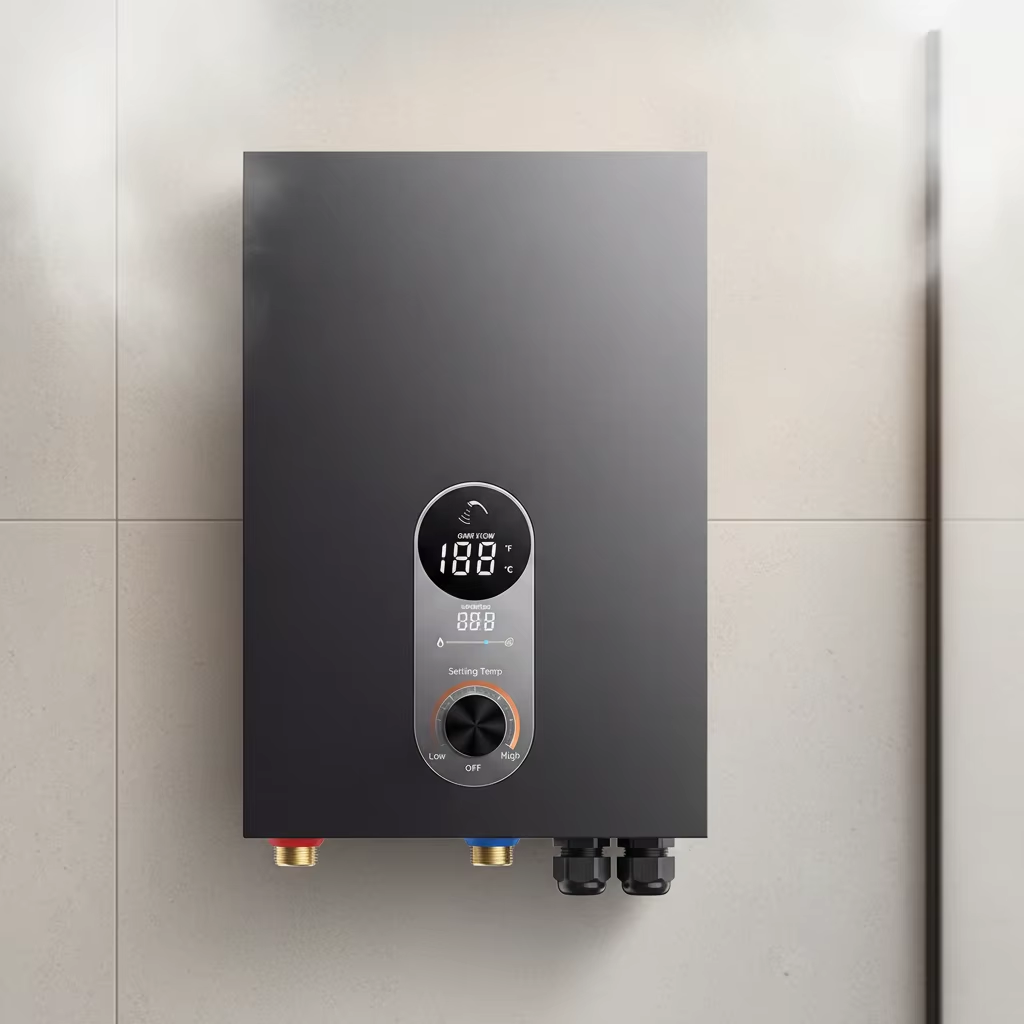
Selecting the right commercial water heater is not merely a purchasing decision; it is a critical infrastructure investment that directly impacts operational efficiency and guest satisfaction. Unlike residential units, heavy-duty commercial heaters must withstand continuous operation, high-volume demand, and often, challenging water quality conditions. From boutique hotels to large-scale industrial kitchens, ensuring a consistent supply of hot water is a non-negotiable requirement. For business owners and facility managers, navigating the technical complexities—such as thermal efficiency, BTU ratings, and recovery speeds—is essential to avoiding downtime and controlling long-term energy costs. Making an informed choice begins with understanding how specific commercial requirements align with the capabilities of modern heating hardware.
Analyzing Peak Demand and Recovery Rates
The most common mistake in commercial water heater procurement is underestimating the peak usage hours. A heater might have a massive tank capacity, but if the recovery rate is insufficient, the system will struggle to keep up during the morning rush at a hotel or the peak dinner service at a restaurant. Technical analysis must focus on the recovery rate, which measures how many gallons of water the unit can heat per hour at a specific temperature rise. High-efficiency units utilize advanced heat exchanger designs to maximize thermal transfer, ensuring that as soon as hot water is drawn, the unit begins replenishing the supply. Facility managers should calculate the maximum gallon-per-hour (GPH) demand during the busiest operation window to ensure the selected system maintains steady-state performance under pressure.
Material Durability and Water Quality Challenges
Commercial water heaters operate in environments where water chemistry can vary drastically. Hard water, which is rich in minerals, is a silent killer of heating elements and tank linings. Choosing a unit engineered with high-grade, glass-lined steel or stainless steel tanks is paramount to preventing premature corrosion. Advanced manufacturing processes, including automated welding and specialized enamel coating applications, create an inner shell capable of withstanding high thermal stress and mineral buildup. When evaluating options, look for systems that incorporate high-performance magnesium or aluminum anode rods, which act as sacrificial barriers against electrolysis. Prioritizing these technical specifications not only extends the operational lifespan of the equipment but also drastically reduces the frequency of emergency maintenance calls, protecting the bottom line.
Optimizing for Energy Efficiency and Operational Costs
In a business environment, energy consumption represents a significant portion of recurring operating expenses. Modern commercial water heating solutions have moved beyond simple immersion elements; they now integrate intelligent controls and modulated burners that adjust energy input based on real-time demand. High-efficiency commercial heaters reduce the carbon footprint and ensure compliance with increasingly stringent environmental regulations. By analyzing the thermal insulation thickness—often high-density foam—and the energy factor (EF) ratings, facility planners can forecast long-term utility savings. Investing in hardware that minimizes heat standby loss is a proactive strategy that translates directly into lower monthly electricity or gas bills, making the initial capital expenditure more justifiable through rapid operational savings.
The Role of Supply Chain Stability and Technical Support
The reliability of a commercial water heater is inextricably linked to the expertise of its manufacturer. A robust system is more than the sum of its parts; it is the result of years of research, iterative design, and rigorous quality assurance protocols. Beyond the hardware itself, business buyers must consider the strength of the manufacturing support system. Access to precise replacement parts, technical installation manuals, and responsive customer service is vital for minimizing operational disruption. Partnering with a manufacturer that maintains a comprehensive quality management system and possesses the capacity for scalable production—such as Fengthotwater—ensures that the equipment is not only built to high standards but is also backed by professional supply chain expertise. This depth of support is what differentiates a standard vendor from a strategic long-term partner capable of providing custom solutions for unique business architectures.
Ensuring Seamless Integration and Long-Term Reliability
Integration into an existing commercial facility requires more than just correct sizing; it requires compatibility with existing plumbing manifolds and gas/electric infrastructures. When choosing a system, consider the ease of maintenance and the accessibility of service ports. A design that prioritizes technician access can save hours of labor during routine inspections or descaling procedures. Furthermore, utilizing smart monitoring systems that track temperature stability and leak alerts can prevent catastrophic failures before they impact daily operations. Ultimately, the choice of a heavy-duty water heater should be viewed as a commitment to the continuity of a business. By balancing technical capacity, manufacturing durability, and supply chain reliability, any organization can secure a water heating solution that powers operations seamlessly for years to come.