 EN

Preparing Your Space and Checking Plumbing Requirements Before Setup
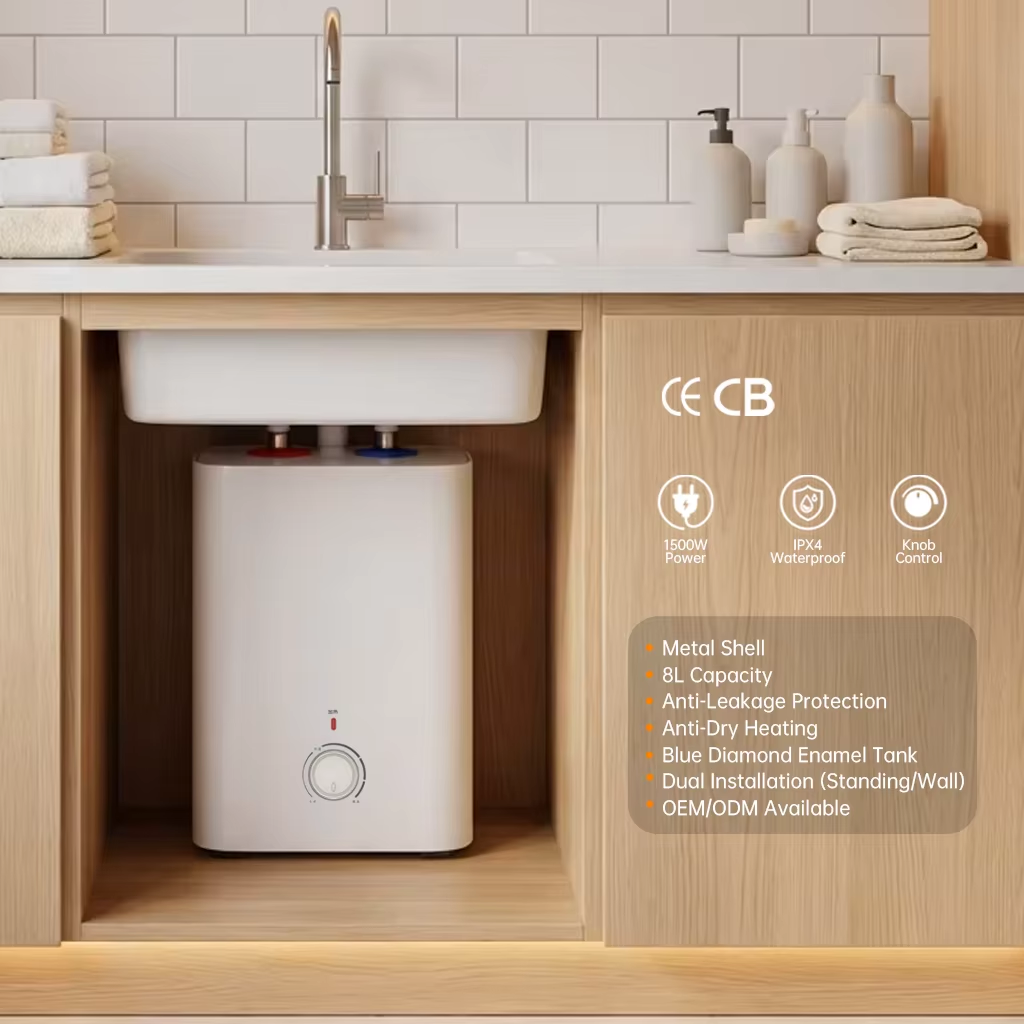
Tackling the installation of an under sink water heater in a residential kitchen or bathroom is an exciting project, but it takes careful upfront preparation to ensure everything runs smoothly and safely over the long haul. In professional plumbing and residential installation practice, technicians frequently run into situations where homeowners jump right into mounting compact point-of-use units without checking existing electrical loads, cabinet dimensions, or inlet water pressure levels. Drawing from real-world installation case studies in urban apartment renovations, failing to inspect local water supply pressure or electrical circuit capacity beforehand can lead to unexpected tripped breakers, annoying water hammer noises, or frustrating fitting leaks shortly after finishing the setup. Before picking up any tools, take time to carefully evaluate cold water supply lines, ensure cabinet structures can comfortably support a full water tank, and confirm that an independent, grounded electrical outlet sits close by. Solid preliminary planning completely prevents common installation mishaps, protects household plumbing infrastructure, and guarantees a seamless, reliable hot water experience right where it is needed most. Furthermore, assessing regional water hardness and local voltage stability ensures that selected units stay fully optimized for specific geographical environments, reducing premature wear and maximizing overall system efficiency for years of worry-free operation, ultimate household comfort, and sustained reliability.
Understanding Technical Specifications and Point-of-Use Water Systems
Grasping the core engineering differences between point-of-use under sink heaters and traditional central water setups is vital for achieving top-notch thermal performance and everyday energy conservation. Point-of-use mini-tank or instant under sink units are purposefully designed to deliver instant hot water directly beneath a basin, completely eliminating the frustrating wait times and massive water wastage tied to long pipe runs stretching all the way from basement utility rooms or distant water heaters. According to thermal engineering guidelines and appliance manufacturing benchmarks, compact under sink models operate with carefully balanced power ratings that provide rapid water recovery while staying well within safe household electrical distribution limits. When homeowners or contractors evaluate these systems, analyzing flow rates, thermal efficiency, and recovery cycles ensures that chosen units match the actual daily usage patterns of busy kitchen sinks or frequently used bathroom vanities. Selecting the right technical configuration guarantees high energy efficiency without overloading home electrical infrastructure, striking the ideal balance between initial upgrade costs and long-term operational savings across modern residential developments everywhere.
Executing Step-by-Step Mechanical Connections and Safety Valves
Pulling off a secure mechanical installation requires strict adherence to standard plumbing codes, building regulations, and smart safety protocols. The installation workflow always kicks off by shutting off the main water supply and draining existing lines completely to prevent accidental flooding inside the cabinet enclosure. Once lines are clear, technicians mount the unit securely to the wall or cabinet floor, connecting cold water supply lines to inlet ports via dedicated shut-off valves. Crucially, installing a certified thermal expansion relief valve and a pressure-reducing valve is mandatory according to international plumbing codes to prevent dangerous over-pressurization inside closed-loop heating setups. Applying thread sealant tape carefully to all brass threaded fittings prevents annoying seepage, followed by a slow, controlled pressure test prior to plugging the unit into any electrical power source. Proper mechanical execution guarantees leak-free operation and protects the structural integrity of surrounding cabinetry. Additionally, proper insulation and routine maintenance further optimize thermodynamic performance across varied climates, ensuring sustained reliability, peak efficiency, and total peace of mind.
Managing Electrical Integration, Circuit Protection, and Thermostat Calibration
Because under sink water heaters live and breathe in damp, confined environments right beneath basins, electrical safety architecture must be handled with absolute precision and regulatory transparency. Professional electrical standards dictate that these units link up to dedicated, waterproofed circuits equipped with sensitive ground-fault circuit interrupters or earth-leakage breakers to completely eliminate shock risks and wiring faults. Once a licensed electrician verifies the physical wiring, internal thermostats should be calibrated to an optimal operating range, striking a healthy balance between scald prevention and effective bacterial growth suppression. Moreover, modern high-performance units incorporate automated dry-fire protection sensors designed to cut power instantly if water levels drop below safe thresholds inside the tank. Maintaining complete transparency regarding component sourcing, rigorous factory testing protocols, and electrical safety certificates gives consumers, contractors, and residential architects total peace of mind and operational accountability across all housing sectors.
Leveraging Manufacturing Excellence and Supply Chain Partnerships with Fengtian
Beyond individual DIY weekend projects or contractor installations, the long-term reliability and commercial success of under sink water heating projects rely heavily on the manufacturing provenance, industrial infrastructure, and supply chain maturity behind the brand. Leading project developers, property managers, and global distributors increasingly partner with specialized manufacturing powerhouses—such as Fengtian—that operate advanced automated production lines, precision welding robotics, and massive production capacities. Backed by rigorous international credentials including major global electrical and safety certifications, industry leaders deliver robust custom engineering configurations tailored to diverse worldwide regulatory standards and regional climatic demands. Aligning with an experienced, innovation-driven manufacturer guarantees strict quality control protocols, scalable bulk supply capabilities, and long-term technical reliability for modern residential homes across international territories. By leveraging top-tier industrial supply networks, strict quality inspection protocols, and rigorous end-to-end testing, partners and homeowners alike secure durable, highly efficient heating solutions that successfully stand the test of time and intense market competition.
Table of Contents
- Preparing Your Space and Checking Plumbing Requirements Before Setup
- Understanding Technical Specifications and Point-of-Use Water Systems
- Executing Step-by-Step Mechanical Connections and Safety Valves
- Managing Electrical Integration, Circuit Protection, and Thermostat Calibration
- Leveraging Manufacturing Excellence and Supply Chain Partnerships with Fengtian