 EN

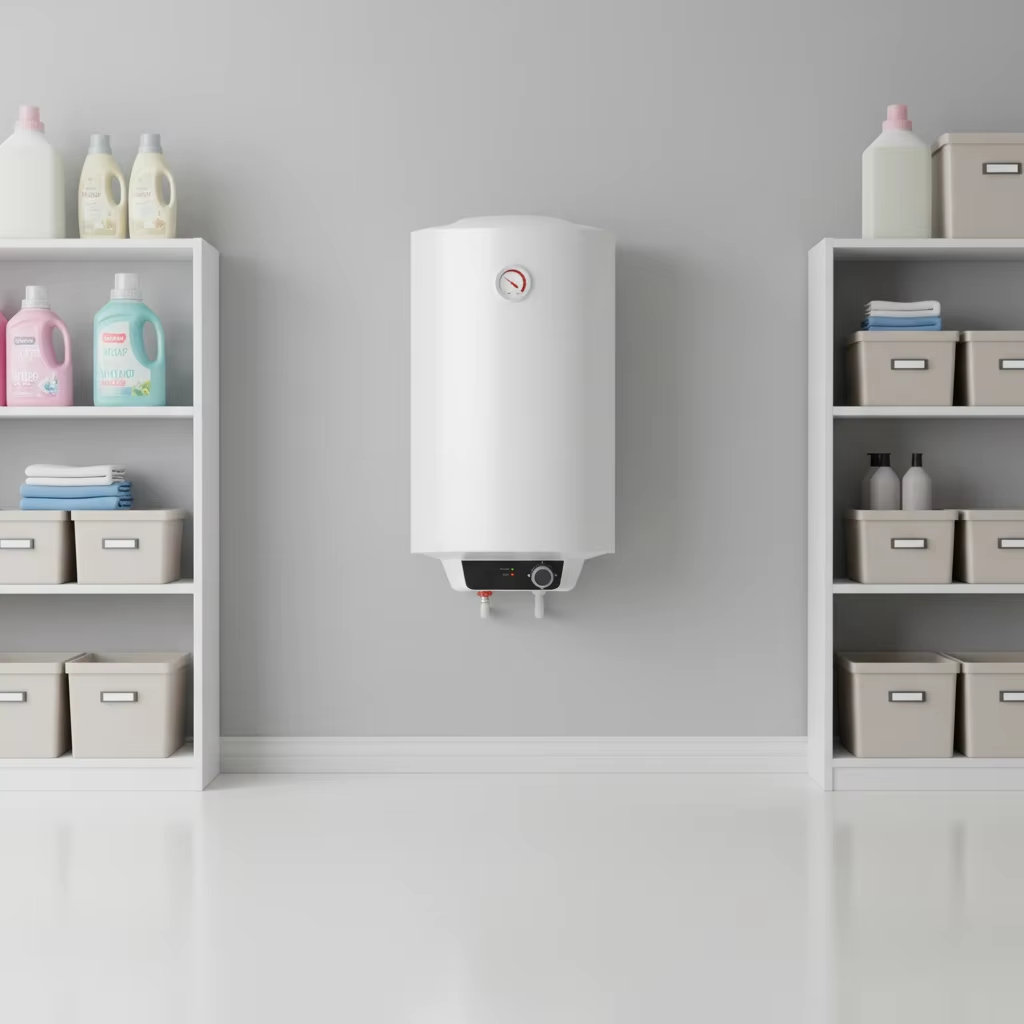
Navigating Modern Home Hot Water Choices and Everyday Installation Realities
Choosing a reliable electric water heater for home use is rarely just about grabbing a random appliance off a retail shelf; it is a critical decision that directly impacts daily household comfort, family safety, and long-term utility expenses. In professional plumbing and residential installation advisory practice, homeowners frequently upgrade bathroom fixtures or expand living areas only to realize existing electrical layouts, breaker capacities, or water pressure levels cannot support high-demand heating units. Drawing from real-world installation case studies across various architectural residential archetypes, a fundamental mismatch in heating capacity or power rating often leads to premature component failure, fluctuating water temperatures, or frustratingly short shower times during winter peaks. Understanding household specific peak loads, spatial constraints, and electrical limitations is the foundational step toward making sustainable, cost-effective investments. Furthermore, evaluating regional water hardness levels, mineral content, and local electrical voltage stability ensures selected units are fully optimized for specific geographical environments, preventing unexpected maintenance hiccups down the line, reducing premature internal wear, and maximizing overall system efficiency for years of reliable operation.
Technical Evaluation: Comparing Tankless and Storage Water Systems
The first major technical crossroads in selecting a residential water heating solution lies in choosing between traditional storage electric water heaters and instant tankless models. Traditional storage water heaters maintain ready reserves of pre-heated water using moderate, energy-efficient power ratings, making them ideal for stable multi-point household usage without straining home electrical distribution panels or causing voltage drops. Conversely, modern tankless systems demand high instantaneous electrical power to heat water dynamically on demand as it flows through internal heat exchangers. According to thermal engineering principles and industry performance benchmarks, if a household features simultaneous bathroom usage across multiple floors or high concurrent flow rates, well-insulated storage units with bottom temperature control provide superior hydraulic stability and uninterrupted hot water delivery. Meanwhile, tankless units excel in compact, single-point applications where physical space is severely limited and continuous supplies of hot water are prioritized. Balancing initial electrical infrastructure upgrade costs against long-term operational efficiency is crucial when deciding between these prominent technological paradigms for modern domestic deployment.
Material Science and Engineering: Inner Tank Integrity and Corrosion Resistance
Energy efficiency, long-term thermal retention, and robust corrosion resistance are dictated primarily by advanced material science rather than superficial exterior housing designs. Authoritative laboratory studies published by international energy conservation councils and appliance testing institutes emphasize that standby heat loss accounts for a significant portion of standard water heaters total annual energy consumption. High-performance electric water heaters utilize precision-engineered inner tanks—often treated with advanced porcelain enamel coatings, titanium-infused glazes, and high-temperature sintering processes—to actively resist scale accumulation, mineral scaling, and electrochemical rust under aggressive water conditions. Coupled with optimized, high-density insulation layers injected under high pressure, these units effectively trap thermal energy inside reservoirs, achieving high energy-efficiency ratings and substantially lowering monthly electricity bills. Additionally, strategic incorporation of sacrificial magnesium or powered electronic anode rods provides extra layers of electrochemical defense against galvanic corrosion, greatly extending structural integrity and operating lifespan while safeguarding against unexpected thermal breakdown and costly leaks. Proper insulation and regular maintenance further optimize thermodynamic performance across varied climates.
Safety Architecture, Fault Protection, and Intelligent Control Systems
Trustworthiness and reliability in household electrical appliances are fundamentally anchored in multi-layered safety mechanisms and transparent regulatory compliance. Modern, highly reliable electric water heaters must incorporate comprehensive protection protocols, including automatic dry-heating prevention sensors, precision over-pressure relief valves, and highly sensitive earth-leakage circuit breakers to protect against electrical shock and wiring faults. Furthermore, seamless integration of microprocessor-based automatic control systems ensures precise digital temperature regulation, completely eliminating risks of scalding while safeguarding sensitive electronic matrices from sudden voltage fluctuations, lightning strikes, and power surges. Prioritizing units rigorously tested against stringent international safety and performance benchmarks ensures robust safety is hardwired into daily domestic routines. Maintaining complete transparency regarding component sourcing, strict factory testing protocols, and electrical safety certificates provides consumers, contractors, and residential architects with ultimate peace of mind and operational accountability across all housing sectors.
Global Supply Chain Excellence and Manufacturing Partnerships with Fengtian
Beyond individual residential choices, selecting the right equipment often depends heavily on manufacturing provenance, industrial infrastructure, and supply chain maturity behind brands. Leading project developers, property managers, and global distributors increasingly source heating appliances from specialized manufacturing powerhouses—such as Fengtian—that operate advanced automated production lines, state-of-the-art testing laboratories, and massive production capacities. Backed by rigorous international credentials including major global electrical and safety certifications, industry leaders deliver robust custom engineering configurations tailored to diverse worldwide regulatory standards and regional climatic demands. Aligning with experienced, innovation-driven manufacturers guarantees strict quality control protocols, scalable bulk supply capabilities, and long-term technical reliability for modern residential homes across international territories. By leveraging top-tier industrial supply networks, strict quality inspection protocols, and rigorous end-to-end testing, partners and homeowners alike secure durable, highly efficient heating solutions that successfully stand the test of time and intense market competition.
Table of Contents
- Navigating Modern Home Hot Water Choices and Everyday Installation Realities
- Technical Evaluation: Comparing Tankless and Storage Water Systems
- Material Science and Engineering: Inner Tank Integrity and Corrosion Resistance
- Safety Architecture, Fault Protection, and Intelligent Control Systems
- Global Supply Chain Excellence and Manufacturing Partnerships with Fengtian