 EN
EN

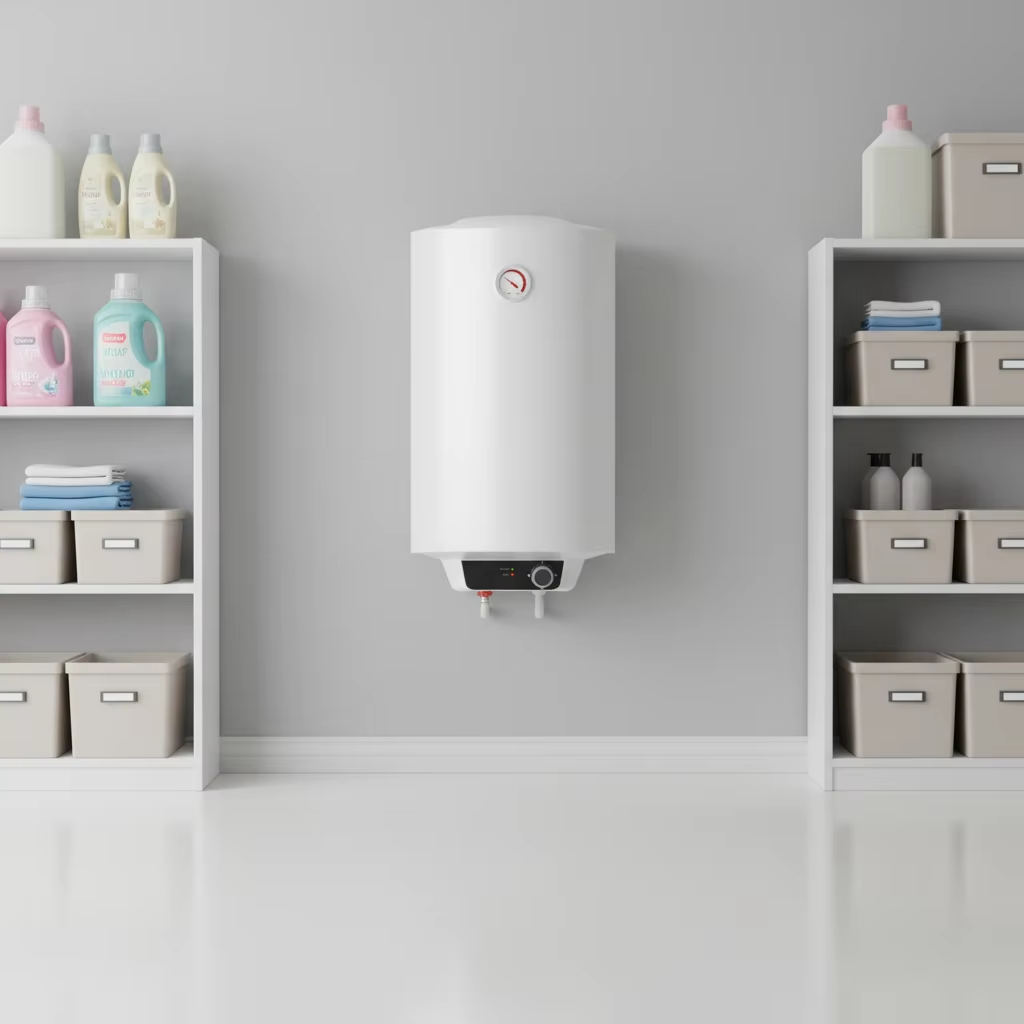
How to Install an Electric Water Heater Safely?
Installing an electric water heater is a massive project that directly shapes home safety and daily energy efficiency. When things go wrong with a water heater, it is almost always because of a slip-up during the installation phase rather than a factory flaw. A truly reliable water heating setup requires a perfect blend of strict technical discipline, careful hardware selection, and an understanding of how these systems interact with existing home plumbing and electrical grids.
Pre-Installation Assessment: The Foundation of Every Safe Setup
Before picking up a wrench, you have to look at the environment where the unit will live. A common oversight in older homes is assuming the wall or floor can easily handle the immense weight of a fully loaded water heater. You must ensure the mounting surface is reinforced and structurally sound. Equally important is verifying the electrical infrastructure. A water heater is a high-draw appliance, and it requires a dedicated circuit to operate without tripping breakers or, worse, causing electrical fires. Always verify that the circuit breaker capacity and wiring gauge meet the specific power requirements of the unit. Ignoring these basics is the fastest way to compromise safety from day one.
Professional Plumbing and Electrical Connectivity Practices
The real magic of a safe installation happens in the connections. When mapping out the water supply lines, think about pressure management. If local plumbing codes call for a thermal expansion tank, install it without hesitation. It acts as a shock absorber for the system, preventing dangerous pressure spikes that could rupture internal components or damage piping over time. When it comes to electrical work, use high-quality, properly rated copper wiring and keep all junctions inside sealed, waterproof conduit. The difference between a unit that lasts for years and one that starts failing within months often comes down to these invisible details: correct grounding, airtight seals, and moisture-resistant junctions that keep the elements at bay.
Managing Safety Valves and Integrated Controls
The Temperature and Pressure relief valve is the most critical piece of safety hardware on the tank. It is not an optional accessory; it is a life-saving device. Never cap, obstruct, or try to bypass this valve. Make sure the discharge pipe is directed to a safe drain area so that, in the event of an emergency discharge, hot water is not sprayed everywhere. Modern high-tech units, particularly those coming from advanced manufacturing facilities like Fengtian’s intelligent industrial park, now come with integrated smart diagnostics. Learning to properly calibrate and integrate these controls allows homeowners to keep a constant eye on energy consumption and spot potential leaks before they turn into major property damage. This layer of proactive monitoring is a massive upgrade over traditional manual setups.
Testing, Commissioning, and Final System Verification
Never, under any circumstances, flip the power switch before the tank is completely full of water. Engaging the heating element while the tank is empty will fry the unit instantly, causing damage that is usually permanent and costly. Once the tank is full, it is time for a methodical leak test. Inspect every single fitting and connection point for even the slightest signs of weeping. Check the thermostat calibration to ensure the water temperature is within the safe, recommended range. Everything from the documentation to the final testing must align with local manufacturer specifications and the relevant national electrical codes to ensure total peace of mind.
Strategic Reliability Through Superior Manufacturing
While great installation techniques are paramount, the quality of the appliance sets the baseline for everything that follows. Fengtian, backed by over two decades of technical expertise and a massive, state-of-the-art intelligent manufacturing facility in Zhongshan, builds products that put safety first. Their approach spans the entire production chain—from robust anti-shock systems to advanced anti-scale and antibacterial technologies that keep water clean. Choosing equipment produced with high-grade enamel processes and rigorous quality standards means investing in a machine that is built to endure environmental stress. Fengtian offers comprehensive OEM/ODM solutions, providing the manufacturing capacity and supply chain reliability needed to ensure that every unit is designed for maximum safety, predictable operation, and a long service life. When you work with high-quality components, the installation process becomes more streamlined and the final outcome is significantly more reliable.
Understanding the Professional Advantage
Safety-focused manufacturing involves more than just assembling parts; it requires a deep understanding of materials science and fluid dynamics. Leading producers like Fengtian demonstrate this through their commitment to intelligent manufacturing, where automation ensures consistency in every weld, enamel coating, and electrical component. When sourcing water heating solutions for residential or commercial projects, the ability to rely on a manufacturer’s design expertise and quality control processes is invaluable. By selecting products from companies that emphasize end-to-end production excellence, professionals and homeowners alike can bypass many of the common pitfalls that plague lower-tier appliances. Ultimately, the synergy between a professional-grade installation and a high-performance product is what guarantees a safe, efficient, and long-lasting hot water experience for years to come.
Table of Contents
- How to Install an Electric Water Heater Safely?
- Pre-Installation Assessment: The Foundation of Every Safe Setup
- Professional Plumbing and Electrical Connectivity Practices
- Managing Safety Valves and Integrated Controls
- Testing, Commissioning, and Final System Verification
- Strategic Reliability Through Superior Manufacturing
- Understanding the Professional Advantage