 EN
EN

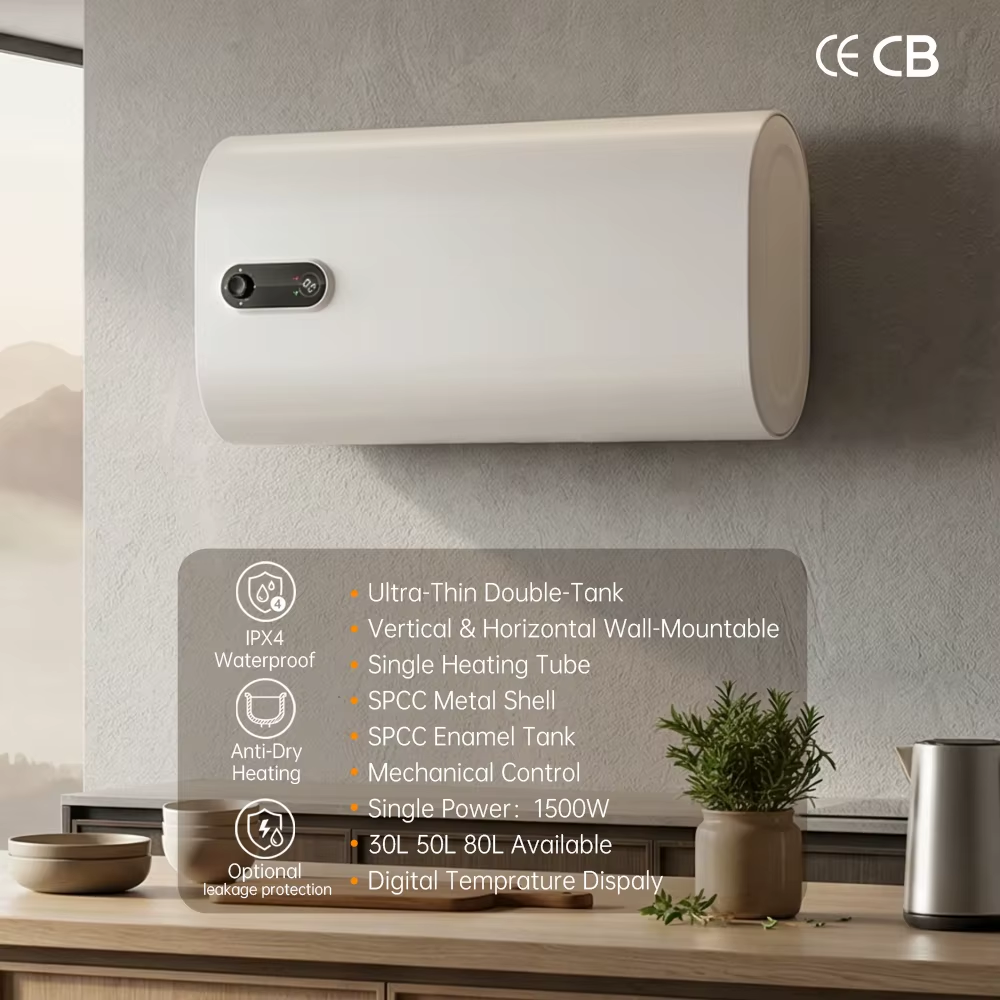
Site Preparation and Initial Spatial Assessment
Upgrading residential and commercial hot water systems represents a major step toward long-term energy efficiency, and modern property owners increasingly turn to hybrid heat pump technology to cut utility overhead. Transitioning from traditional electric resistance tanks to advanced atmospheric-draw units requires thoughtful pre-installation planning to secure peak thermal performance. Field technicians frequently notice that the success of any setup depends heavily on choosing an appropriate indoor location with adequate spatial volume. Unlike standard water heaters that operate independently of their immediate surroundings, heat pump systems extract latent thermal energy from ambient air. Therefore, positioning the equipment within an unconfined utility room or basement with sufficient cubic footage allows the compressor to function smoothly without requiring complex auxiliary ductwork. Property installers also evaluate structural floor load-bearing capacities beforehand, ensuring that the heavy water-filled reservoir rests safely on a stable, level surface to prevent long-term mechanical vibrations or stress fractures along connected pipe junctions. Furthermore, evaluating indoor humidity levels helps optimize operational cycles, ensuring that surrounding air provides sufficient latent heat without creating overly damp conditions in enclosed cellar spaces. Proper spatial clearance also facilitates routine maintenance access, allowing technicians to inspect internal components quickly whenever required.
Technical Prerequisites and Electrical Load Management
Mastering the technical prerequisites of hybrid water heating units prevents costly operational hiccups and ensures smooth energy conversion cycles over the equipment lifecycle. Professional installers evaluate existing electrical infrastructures carefully, noting that most hybrid models require a dedicated heavy-duty electrical circuit paired with appropriate breaker sizing to manage both the heat pump compressor and traditional backup heating elements simultaneously. Furthermore, plumbing configurations demand meticulous attention to detail, including the strategic placement of thermal expansion tanks, dielectric unions designed to prevent galvanic corrosion between dissimilar metal pipes, and unobstructed condensate drainage lines capable of handling continuous moisture removal. Environmental conditions also dictate operational efficiency; units perform admirably in spaces maintaining mild ambient warmth throughout changing seasons, while modern models incorporate intelligent frost-management protocols to handle cooler utility environments seamlessly without sacrificing daily hot water delivery rates. Advanced control interfaces also allow users to select specific operating modes, balancing maximum energy savings with rapid recovery requirements during periods of high household demand.
Adherence to Plumbing Codes and Safety Regulations
Adhering strictly to established plumbing codes and electrical safety standards remains an absolute priority for every professional setup. International regulatory frameworks mandate that all water heater installations incorporate a properly rated temperature and pressure relief valve connected securely to an approved discharge line to mitigate any potential over-pressure risks safely. Electrical wiring must comply rigorously with regional electrical codes, ensuring proper grounding safeguards and moisture-resistant conduit connections within damp basement or garage environments. Certified energy performance standards further dictate that storage tanks must be properly insulated and calibrated according to established building efficiency metrics. Following these authoritative guidelines protects building occupants against potential thermal scalding or electrical hazards, while simultaneously guaranteeing full regulatory compliance during municipal inspections. Independent safety certifications provide additional peace of mind for property developers, assuring stakeholders that specified hardware meets stringent international standards for mechanical reliability and electrical insulation across diverse geographical regions.
Quality Assurance and Commissioning Protocols
Ensuring long-term operational trustworthiness and reliability hinges upon rigorous adherence to manufacturer commissioning guidelines and comprehensive system checks. Before powering on the newly positioned appliance, installers verify that the storage tank is completely filled with water to prevent dry-firing the internal heating elements, which instantly compromises operational integrity and voids standard factory warranties. Technicians also perform thorough pressure leakage tests across all threaded fittings and inspect refrigerant circuit connections for absolute tightness. Leading manufacturers supply detailed technical manuals and diagnostic support documentation to assist certified professionals in verifying sensor calibrations and monitoring error codes efficiently. Implementing these meticulous quality assurance protocols eliminates liability risks, protects the initial capital investment, and guarantees that the appliance delivers maximum efficiency ratings throughout its intended operational lifespan. Regular maintenance checks, including anode rod inspections and air filter cleanings, further extend equipment longevity and preserve optimal thermal conversion capabilities under diverse climatic loads.
Commercial Scale and Global Supply Chain Excellence
Translating sophisticated thermal efficiency concepts into reliable daily operation requires a manufacturing partner capable of delivering uncompromised production scale, precise engineering, and dependable global supply chain coordination. Fengtian stands prominently at the forefront of the heat pump water heater sector, combining advanced research and development infrastructure with state-of-the-art automated manufacturing facilities. Whether supplying high-efficiency residential hybrid units or large-scale commercial water heating arrays, Fengtian optimizes every tier of the B2B supply chain to ensure strict quality control and cost-effective scalability. Partnering with Fengtian equips global distributors, HVAC contractors, and project developers with factory-direct pricing advantages, rigorous quality assurance standards, and tailored logistics solutions that elevate overall project profit margins and reinforce long-term brand excellence across international markets. Through rigorous quality verification protocols and dependable global shipping procedures, Fengtian ensures seamless project execution from primary factory production lines directly to international construction sites, delivering absolute reliability for every global partner.