 EN
EN

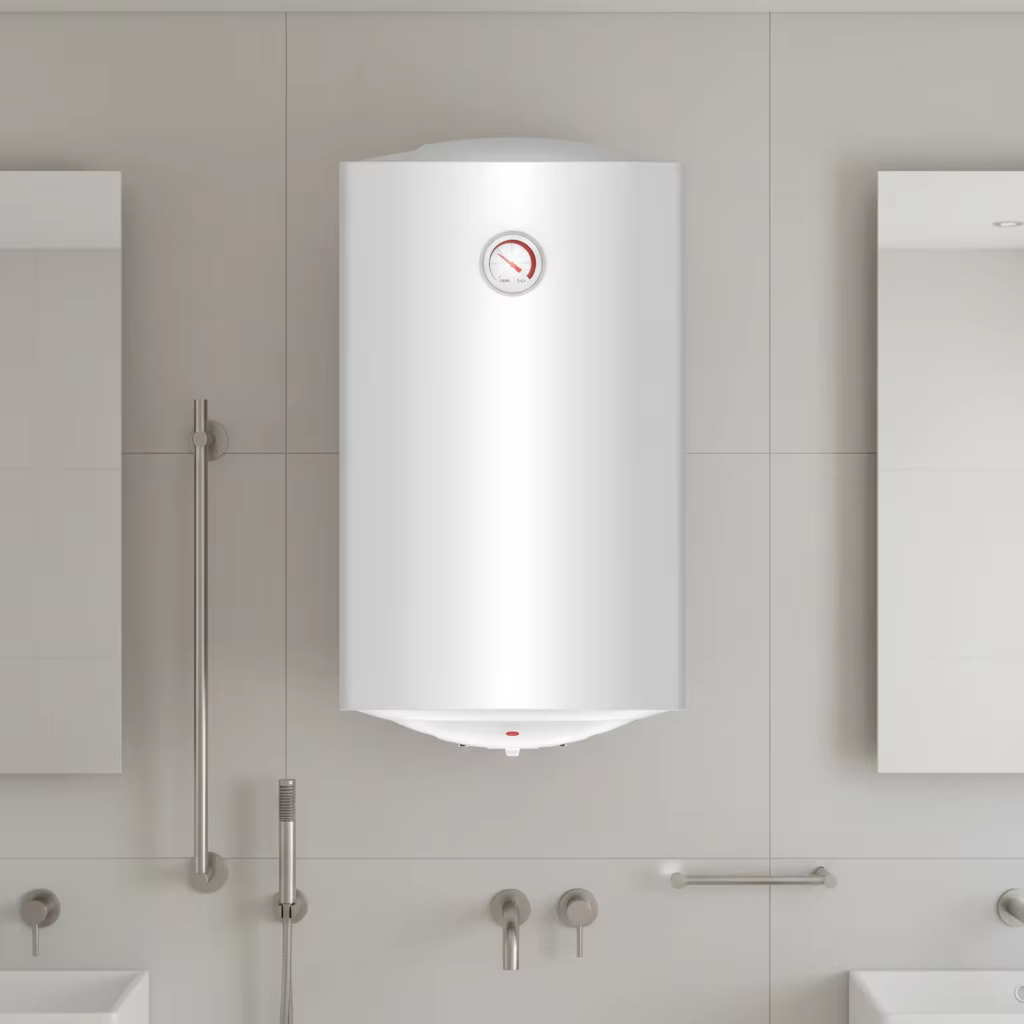
The Critical Importance of Proper Home Water Heater Installation
In any modern residential household, maintaining a reliable and continuous supply of domestic hot water is essential for daily comfort, personal hygiene, and overall well-being. However, even the most advanced household water heater can severely underperform, fail prematurely, or pose serious safety hazards if it is installed incorrectly. Drawing from years of hands-on field experience consulting on residential plumbing and mechanical system installations, industry experts have witnessed numerous unfortunate instances where improper setup or rushed DIY attempts led to catastrophic tank leaks, flooding, or dangerous electrical faults. Upgrading or installing a new water heating appliance is never just a simple, routine weekend task; it is a critical engineering process that demands absolute precision, strict adherence to local building regulations, and a comprehensive, professional understanding of thermal and electrical dynamics.
Essential Pre-Installation Preparation and Site Assessment
Before lifting a heavy new heating unit into position, meticulous site preparation and thorough safety assessments must form the foundational bedrock of a successful installation project. Professional mechanical engineers and certified trade installers always begin by comprehensively evaluating the existing electrical infrastructure, gas supply lines, or venting pathways in a home, ensuring that the circuit capacity or fuel delivery volume perfectly matches the precise power rating of the new appliance. Furthermore, analyzing room spatial dimensions, structural load-bearing capacity, and ensuring adequate clearance for future maintenance access prevents costly structural complications down the road. Taking the necessary time to carefully map out incoming water supply pressure levels, expansion tank requirements, and main shut-off valve conditions guarantees that the installation environment is fully optimized for long-term operational safety and peak performance.
Core Installation Steps for Optimal Performance and Safety
Executing the physical installation requires strict compliance with established international plumbing and electrical standards, such as those rigorously outlined by global mechanical and electrical codes. The process begins with securely mounting or positioning the unit to a stable surface, followed by connecting the cold water supply and hot water distribution lines using high-grade dielectric unions to prevent destructive galvanic corrosion between dissimilar metals. For electric variants, running correctly sized, heavy-duty copper wiring through dedicated circuit breakers equipped with integrated ground-fault protection is entirely non-negotiable. Once all pipe fittings, venting connectors, and electrical terminals are firmly secured, certified technicians must perform a comprehensive system flush and dynamic pressure test to eliminate trapped air pockets and verify that all seals are completely watertight before applying power.
Rigorous Testing and Ongoing Maintenance Protocols
Product transparency and operational reliability certainly do not end the exact moment the unit is plugged in or turned on. A comprehensive post-installation testing protocol is vital to verify that the internal thermostat regulates water temperature with absolute accuracy and that high-limit safety cut-off mechanisms respond instantly to thermal anomalies. Property owners and facility managers should also implement a disciplined, routine maintenance schedule, which includes periodic flushing of internal storage tanks or heat exchangers to remove aggressive mineral scale accumulation from hard water, as well as testing temperature and pressure-relief valves regularly. These proactive maintenance steps preserve optimal thermal efficiency, extend the operational lifespan of the household water heater, and ensure complete psychological peace of mind for every family member residing in the home.
Global Market Trends and the Evolution of Modern Heating
As urban residential spaces continue to evolve and property owners increasingly prioritize energy efficiency and minimalist home design, consumer expectations for domestic utility appliances are shifting dramatically. The global demand for reliable, safe, and space-saving water heating solutions has surged significantly across North America, Europe, and emerging international markets. Modern consumers and real estate developers no longer settle for inefficient, outdated equipment; they demand smart appliances that integrate advanced safety barriers, precise digital diagnostics, and eco-friendly performance. Meeting this rapidly expanding global market demand requires not only innovative product engineering but also a dependable, highly scalable manufacturing partner capable of maintaining strict quality control across diverse regulatory landscapes and regional standards.
Industry Leadership and Advanced Manufacturing Support
Delivering a seamless installation experience, effortless compliance, and enduring everyday performance relies heavily on the quality, safety engineering, and manufacturing intelligence of the equipment itself. This is where industry leaders like Fengtian stand out prominently across the international heating sector. Backed by extensive specialized research, development, and advanced manufacturing expertise in electric and thermal heating technology, Fengtian operates massive, state-of-the-art intelligent production facilities equipped with modern assembly lines and substantial annual output capacity. By seamlessly combining strict international quality standards, patented insulation innovations, and comprehensive customization services, Fengtian consistently empowers global brands, distributors, and contractors with top-tier household water heater solutions. Partnering with a trusted manufacturing expert like Fengtian ensures that residential and commercial heating projects remain firmly backed by unmatched supply chain resilience, advanced engineering capabilities, and an unwavering commitment to product excellence.
Table of Contents
- The Critical Importance of Proper Home Water Heater Installation
- Essential Pre-Installation Preparation and Site Assessment
- Core Installation Steps for Optimal Performance and Safety
- Rigorous Testing and Ongoing Maintenance Protocols
- Global Market Trends and the Evolution of Modern Heating
- Industry Leadership and Advanced Manufacturing Support