 EN
EN

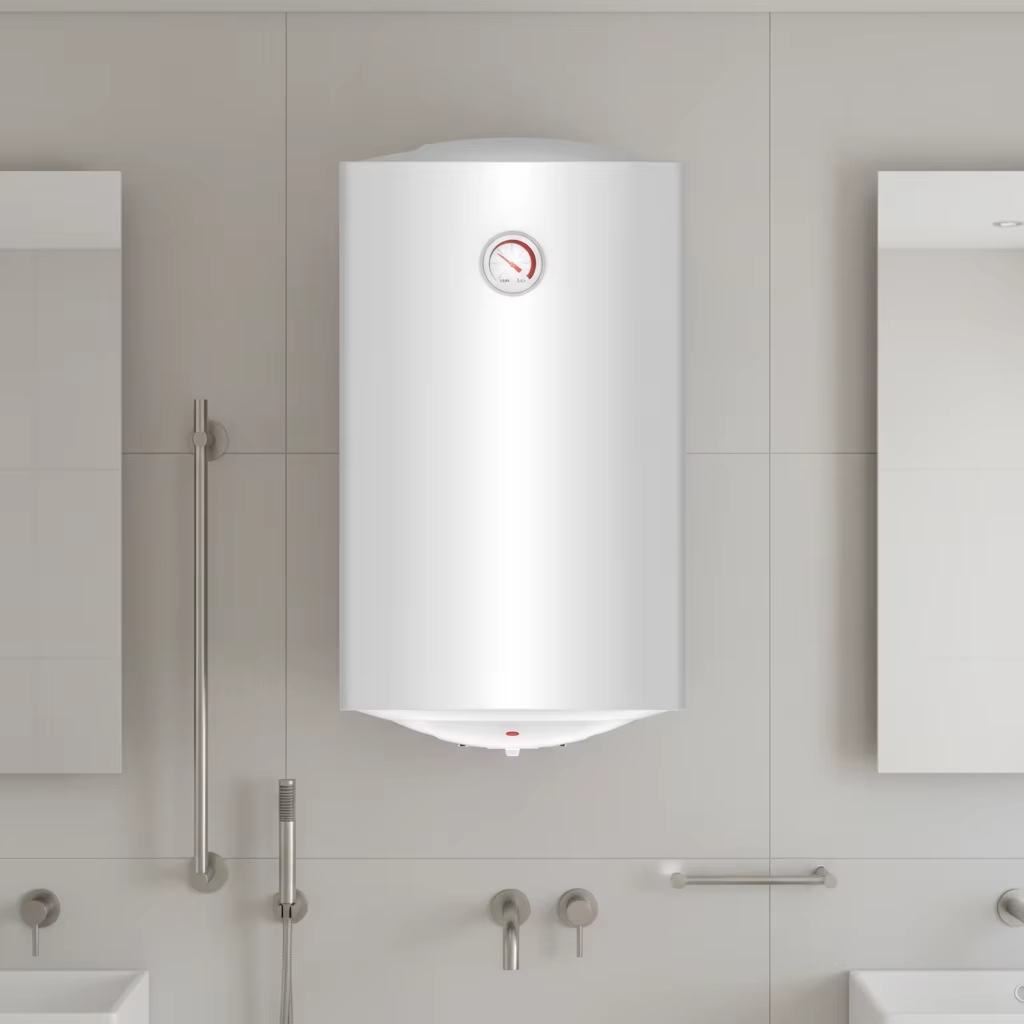
If Corrosion Resistance Is Poor The Risks Are Real
In the past 15 years in the residential and commercial hot water industry, neglected corrosion on the tanks continues to create problems that have significant costs and impacts, Most property owners see corrosion for the first time when the leaks start, or when the heating stops working. Pinhole leaks, water that is contaminated with rust, and replacement of the entire system before it is expected, are common issues. One of our hotel clients had to replace three water heaters, that had aggressive corrosion, of a lower quality grade, that caused corrosion, increased maintenance costs, and interrupted services for the guests when repairs became necessary, in less than four years. This drives the point home that corrosion is not just an aesthetic issue, it impacts safety, reliability and the value of the system in the long term. The lack of corrosion resistance means that the large capacity tanks will fail, and there will be numerous safety and financial impacts on households and commercial enterprises.
Safety and Health Hazards Caused by Corrosion
User safety and water quality are at immediate risk from corrosion. Contamination of domestic water by rust and metal particulates from corroded tanks is a hygiene and health hazard. Corrosion also weakens structures, causing them to leak or to rupture under pressure. This creates the hazard of electrical shock, water damage, and failure of the system. Industry testing has shown that corroded tanks are considerably more likely to experience performance failures. Leading material scientists warn that water that is in contact with corroded metal is contaminated with higher concentrations of toxic and dangerous particulate matter. Reliable corrosion protection is required to ensure clean water and keep the heater operational, safe, and clean throughout the service life of the heater.
How Corrosion Shortens Service Life and Increases Costs
Corrosion is one of the largest cost factors associated with owning a water heater tank. Poorly protected tanks are likely to be replaced within a 3 to 5 year time frame, while tanks that are well protected can last 10 to 15 years or more. The costs associated with repeated tank replacements is not only a capital expenditure, but it drives up labor costs. Add to that the fact that corrosion reduces heating efficiency due to increased energy use from scale and rust build up and it only compounds the problem. A European study found that corrosion increased energy consumption up to 25 percent for water heater tanks. Over the years, the right choice only becomes more evident. An investment in corrosion resistant tank technology isn't just a prudent choice in durable technology but a good choice overall for long term savings.
Corrosion Protection Strategies Using Innovative Materials and Techniques
An example of modern manufacturing providing solutions to corrosion is the production of corrosion resistant tanks. When high-grade steel substrates are combined with multi-layered enamel coatings, a robust barrier to water, chemicals, and temperature fluctuations is formed. The bonding from high-temperature sintering is durable enough to enamel to the metal without fear of flaking or penetration. Optimized welding and seamless structures are utilized in premium tanks to prevent the creation of a corrosion weak point. Adding sacrificial anode systems and active anti-corrosion devices further increases this protection. Technologies such as these are capable of providing long, reliable service, regardless of the water and climate conditions due to the meeting of, or exceeds international requirements for ISO corrosion testing and safety certification.
Enduring Performance Based on the Successful Integration of Industry Guidelines and Expert Perspectives
Corrosion resistance is a fundamental factor in the assessment of performance in a tank and of a brand. The China Household Electrical Appliances Association highlights the connection between tank performance and customer satisfaction in a brand’s durability. Under ISO 9227 or GB/T 1771, the dominant testing authorities employ salt spray or high humidity tests to validate the corrosion resistance of a tank. It is in the interest of materials science professionals to endorse tanks that feature robust welding, composite enamel layers, and matched thermal expansion properties to prevent coating delamination. Following the guidance of the experts helps the consumer to select the best solution for their needs and assists the manufacturer to refine design and enhance quality control.
Consistent Quality Manufacturing and Tailored Solutions
Fengtian offers advanced technology and corrosion resistance for the water heater tank industry. The large-scale intelligent manufacturing park is complemented by a premium enamel and steel along with advanced production technology. They are able to manufacture custom water heater tanks 100L to 500L for air-source, solar and electric boiler systems with OEM and ODM services. With certifications in services and focus on the anti-corrosion, anti-scale, and antimicrobial, Fengtian provides long-lasting, safe and effective hot water system solutions. Fengtian is the optimum choice for long-term reliability, low operational costs, and consistent performance in residential, commercial and industrial applications.
Table of Contents
- If Corrosion Resistance Is Poor The Risks Are Real
- Safety and Health Hazards Caused by Corrosion
- How Corrosion Shortens Service Life and Increases Costs
- Corrosion Protection Strategies Using Innovative Materials and Techniques
- Enduring Performance Based on the Successful Integration of Industry Guidelines and Expert Perspectives
- Consistent Quality Manufacturing and Tailored Solutions