 EN
EN

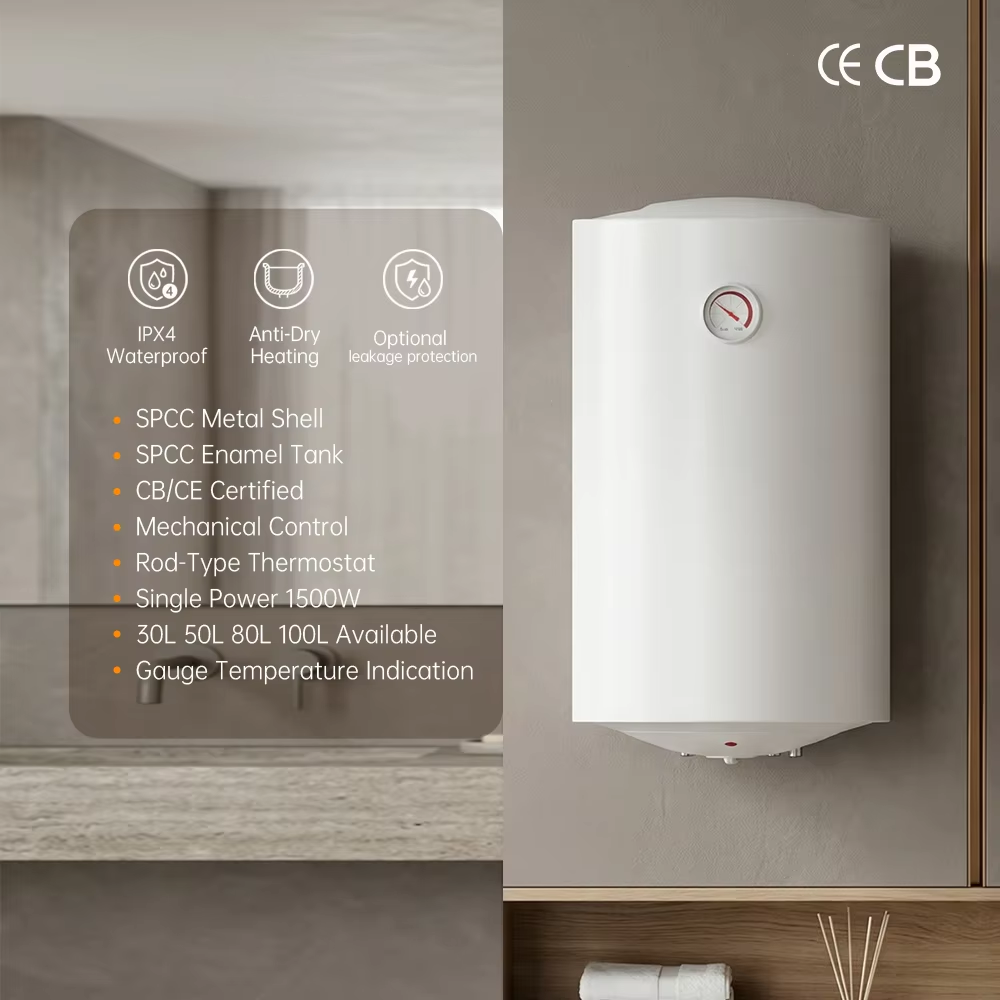
The Physics of Heat Loss in Water Storage
Heat loss is the silent thief in most home and commercial water heating systems. Even when a faucet is not turned on, a water heater works tirelessly to maintain the internal temperature of the stored water. Without adequate insulation, the heat energy stored inside the tank radiates through the metal shell into the surrounding air. Physics dictates that heat naturally migrates from a high-temperature zone to a lower-temperature environment. If a water heater sits in a chilly basement or a garage, that migration happens rapidly, forcing the heating element to cycle on and off repeatedly to counteract the cooling. This phenomenon, known as standby heat loss, represents a significant percentage of annual water heating energy consumption. Mastering the science of thermal retention is the first step toward achieving genuine energy independence in residential and industrial water management.
Quantifying the Energy Savings and Financial Impact
For property owners and facility managers, understanding the financial implications of heat loss is critical. Independent energy audits frequently confirm that adding or upgrading insulation to a water heater can reduce standby heat loss by up to 45%. When scaled across a large building, a hotel, or a manufacturing facility, these percentages translate into massive monetary savings over time. It is not just about the cost of electricity or gas; it is about the long-term operational efficiency of the infrastructure. Investing in high-performance insulation is a move that pays for itself quickly, often within a single year of operation. Furthermore, with rising global awareness of sustainability, lower energy consumption profiles enhance the valuation and marketability of commercial properties. Efficiency, in this context, is synonymous with long-term profitability.
Materials That Define Modern Thermal Performance
The effectiveness of thermal retention depends entirely on the material science applied during the manufacturing process. Modern, high-grade water heaters utilize advanced polyurethane foam insulation, which provides a tight, seamless barrier that outperforms older fiberglass wraps by a wide margin. This foam is injected into the space between the inner tank and the outer shell, expanding to fill every void and creating a uniform thermal shield. Fengtian specializes in the application of these cutting-edge insulating technologies, ensuring that each tank maintains a consistent temperature gradient regardless of external conditions. The precision of the injection process is what differentiates industrial-standard tanks from generic products. By utilizing advanced material engineering, the structural design prevents thermal bridges, ensuring that the water remains at the desired temperature for hours after the last heating cycle.
Reliability and the Engineering Standards of Fengtian
Reliability in water heating is not solely about the heating element or the control unit; it is about the integrity of the entire system. Fengtian adheres to stringent international manufacturing standards, ensuring that every layer of insulation is applied with surgical precision. The production facility utilizes automated systems to monitor the density and thickness of the insulating material, guaranteeing that no cold spots exist on the tank surface. This focus on engineering excellence is what allows equipment from Fengtian to stand out in the global market. Clients looking for OEM solutions or durable equipment know that consistency in manufacturing equates to reliability in the field. Every unit is engineered with the understanding that long-term performance is built on a foundation of superior craftsmanship and high-quality raw materials, which are the hallmarks of the Fengtian production line.
Beyond Energy: Improving System Longevity
The benefits of thermal insulation extend far beyond simple energy savings. By effectively trapping heat, insulation reduces the workload on the heating elements or burners. When a heater is properly insulated, the water stays hot for significantly longer, meaning the unit does not have to cycle on as frequently to recover lost heat. This reduction in operational cycles directly extends the lifespan of the internal components. Constant cycling is the primary driver of premature wear and tear, mineral buildup, and electrical stress in water heating systems. Therefore, prioritizing insulation is a strategic decision to minimize maintenance requirements and prevent costly downtime. Fengtian incorporates this philosophy into every product, recognizing that the true value of a water heater lies in its ability to function optimally over many years, providing consistent comfort while protecting the integrity of the broader hydraulic infrastructure.