 EN
EN

Assessing Your Commercial Hot Water Demands
Navigating the complexities of commercial water heating starts with a clear understanding of specific business requirements. Unlike residential installations, commercial environments—whether a busy restaurant, a high-volume hotel, or a specialized manufacturing facility—operate on significantly tighter margins for error. The first step involves an audit of peak demand patterns. Does the facility require a constant, steady stream of hot water, or is the load cyclical and concentrated in short, intense bursts? Calculating the flow rate (gallons per minute) and the necessary temperature rise is not merely a suggestion; it is a critical engineering requirement to prevent system bottlenecks. Professional consultants often emphasize that over-sizing a system leads to wasted capital and inefficient energy use, while under-sizing invites catastrophic service failures during peak hours. Accurate data collection, including existing water pressure and infrastructure capacity, serves as the foundation for any successful procurement strategy.
Understanding Capacity and Heating Technology
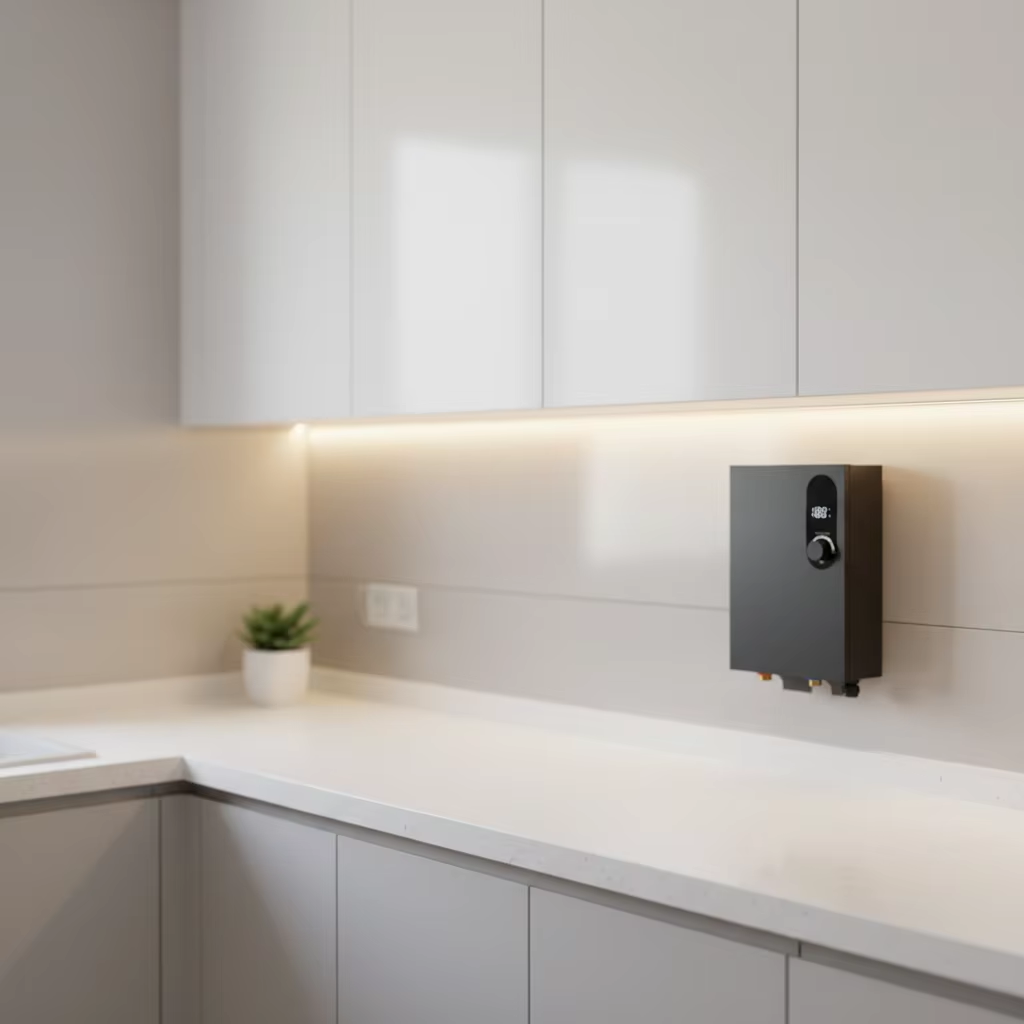
The technological landscape of water heating has evolved beyond simple tank storage. In many commercial applications, the shift toward tankless electric heating technology is driven by the need for space efficiency and consistent output. Tankless systems excel in scenarios where footprint is limited but demand is high, providing an infinite supply of hot water without the risk of stagnant water in a reservoir. Conversely, for facilities with massive volume requirements that exceed standard electrical infrastructure, multi-unit cascading systems have become the industry gold standard. These systems allow for modular expansion and redundancy, ensuring that even if one heating unit requires maintenance, the entire business operation remains functional. Evaluating the heat exchanger efficiency and the longevity of heating elements is essential to determining the long-term ROI. Industry experts advocate for modularity, as it allows businesses to scale their thermal capacity alongside their operational growth.
The Critical Role of Energy Efficiency and Sustainability
Energy consumption represents one of the largest controllable operational costs for businesses today. A hot water heater is not just an appliance; it is a long-term investment in energy management. Selecting units that feature advanced power modulation and thermal insulation can lead to substantial reductions in monthly utility expenditures. When businesses prioritize high-efficiency components, they are not only reducing their carbon footprint but also aligning with international sustainability benchmarks that are increasingly required by global markets. Transparency regarding energy performance ratings and compliance with regional safety standards demonstrates a commitment to professional excellence. By integrating smart sensors and precise temperature control, modern units minimize standby energy loss and ensure that every kilowatt of power is utilized effectively, ultimately strengthening the bottom line and enhancing the corporate social responsibility profile of the business.
Reliability and Supply Chain Security in Procurement
The procurement of commercial water heating equipment should be treated with the same rigor as any other critical piece of industrial machinery. Reliability is the ultimate goal, and it depends heavily on the manufacturing transparency and supply chain stability of the chosen partner. When evaluating potential suppliers, businesses should look for demonstrated capabilities in intelligent manufacturing, high-grade material sourcing, and rigorous quality control protocols. Fengtian distinguishes itself in this competitive landscape by maintaining a robust production infrastructure that prioritizes consistency and durability. A reliable supplier ensures that every component, from the internal heating circuit to the anti-corrosion outer shell, is engineered to withstand the rigors of high-intensity commercial use. Partnering with a manufacturer that possesses deep expertise in global export standards provides businesses with a safeguard against quality inconsistencies and potential service interruptions.
Making the Final Investment Decision
Selecting the right water heater requires balancing upfront costs with lifecycle performance. While the lowest purchase price may seem attractive, it often hides potential issues related to premature failure, higher maintenance requirements, and energy inefficiency. A sound investment decision is based on a holistic view: installation ease, compatibility with existing facility plumbing, ease of maintenance, and the manufacturer's ability to provide ongoing technical support. Fengtian provides comprehensive solutions that cater to the diverse needs of commercial clients, ranging from customizable heating capacities to advanced integrated smart features. By engaging with manufacturers who offer clear, data-driven technical documentation and flexible manufacturing services, business owners can ensure that their hot water infrastructure acts as a reliable driver of efficiency rather than a source of operational concern. Ensuring the long-term success of any commercial facility starts with selecting high-quality equipment backed by a proven track record of industrial excellence.