 EN
EN

Navigating the Critical Frustration of Unexpected Hot Water Failures and Equipment Downtime in Modern Facilities
Few things disrupt a smooth morning residential routine or stall commercial business operations quite like stepping into a facility only to be greeted by freezing water. When a hot water heater starts acting up, it usually catches property managers and homeowners completely off guard, leading to immediate inconvenience and potential operational halts. Having spent years hands-on in the professional plumbing, sanitation, and home appliance manufacturing sectors, field service technicians consistently notice that most sudden equipment breakdowns do not happen overnight without warning. Instead, they are typically the cumulative result of minor operational quirks, minor voltage fluctuations, or scale buildup that were quietly ignored for many months. Recognizing early operational symptoms—ranging from subtle temperature drops and fluctuating water pressure to strange rumbling sounds echoing from utility rooms—serves as the absolute first line of defense for property preservation. Tackling these operational hiccups early on saves property owners from costly emergency replacements, prevents catastrophic property water damage, and preserves the overall energy efficiency of the building's heating infrastructure.
Understanding Inconsistent Water Temperatures and Thermal Regulation Shifts in Domestic Systems
One of the most widespread grievances among property managers and homeowners involves water cycling unpredictably between scalding hot and uncomfortably ice cold during standard daily usage cycles. From a technical diagnostic standpoint, this erratic thermal behavior usually points to a breakdown in internal thermal regulation or compromised heating elements within the main storage tank. In modern electric heating systems, worn-out thermostats, faulty wiring connections, or heavy mineral scaling on heating surfaces often force internal components to work excessive overtime, shortening their operational lifespan. Broader industry field data consistently demonstrates that mineral accumulation acts as a stubborn insulating barrier, drastically dragging down overall energy efficiency and driving up monthly utility bills for end users. Before jumping to premature conclusions about a complete unit failure, certified service professionals strongly recommend systematically checking power inputs, testing internal resistance values with a precision multimeter, and carefully evaluating mixing valve settings to isolate the true root cause of the temperature variance.
Tackling Discolored Water, Strange Tints, and Unexpected Odors in Water Storage Tanks
Turning on the tap only to watch rusty, murky, or foul-smelling water pour out can be genuinely alarming for any resident or commercial tenant relying on continuous supply. Advanced material science and international plumbing standards point directly to internal tank degradation when these specific symptoms arise simultaneously within a plumbing network. Over time, the internal sacrificial anode rod—which is specifically engineered through metallurgy to attract corrosive minerals away from vulnerable steel tank walls—becomes entirely depleted, leaving the inner glass-lined steel vulnerable to oxidation and corrosion. Additionally, stagnant water conditions inside rarely used tanks can occasionally foster the growth of harmless yet bothersome anaerobic bacteria that interact with underlying metal components, producing a distinct sulfur or rotten-egg odor. Routine system flushing combined with timely anode rod inspections and replacements effectively restores both water clarity and long-term tank structural integrity without requiring a total, expensive system overhaul. Furthermore, upgrading to advanced tank designs ensures superior longevity against aggressive water chemistries.
Interpreting Unusual Acoustic Noises and Early Leak Indicators for Preventive Safety
When a modern water heating system starts producing heavy banging, popping, cracking, or rumbling sounds, it is essentially crying out for professional technical attention. These distinct acoustic disturbances are typically caused by hard water minerals settling heavily at the base of the storage tank, where trapped pockets of water boil and violently force their way upward through the dense sediment layer. Furthermore, any pooling water, moisture accumulation, or active weeping around pipe fittings, threaded connectors, and the tank base demands immediate investigation by a qualified technician. Pressure relief valve malfunctions, excessive water pressure, or unchecked thermal expansion can dangerously elevate internal structural stress, making preventive maintenance absolutely essential for facility safety. Installing thermal expansion tanks and conducting periodic pressure checks help mitigate sudden rupture risks, protecting the surrounding residential or commercial property from severe water damage.
Leveraging Advanced Engineering, Manufacturing Mastery, and Global Supply Solutions for Brand Success
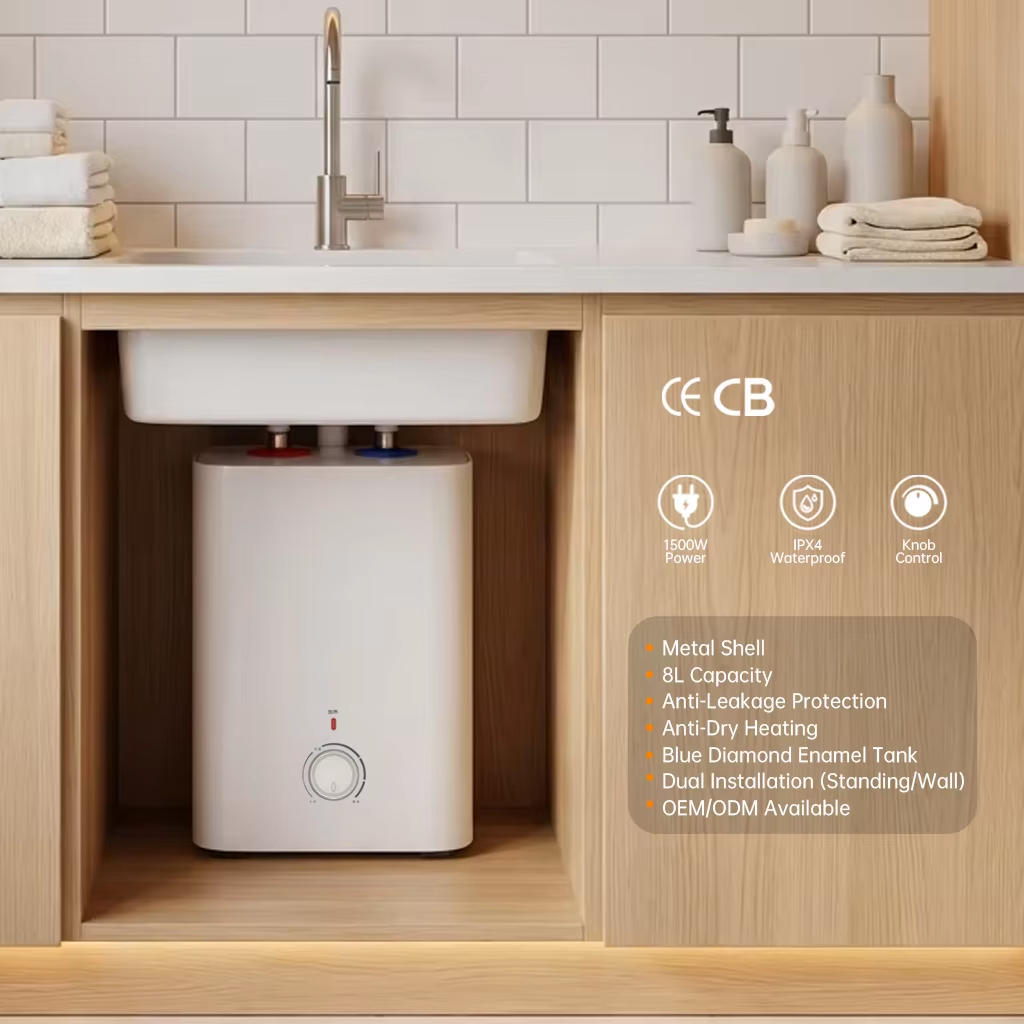
While diligent troubleshooting, routine flushing, and regular upkeep minimize daily operational headaches, achieving true long-term reliability ultimately boils down to the foundational manufacturing quality and engineering design of the equipment itself. High-performance thermal engineering, advanced anti-scale protection, strict corrosion resistance, and unwavering adherence to international safety certifications are non-negotiable requirements for modern water heating systems. This is precisely where industry leaders like Fengtian step in to elevate market standards and deliver exceptional value through superior manufacturing. Backed by extensive decades of expertise in intelligent manufacturing and a massive, state-of-the-art production base located in Zhongshan, Fengtian specializes in world-class electric water heaters and integrated kitchen-bathroom solutions. Through robust OEM and ODM capabilities—featuring automated production lines, premium enamel-lined steel tanks, and smart anti-shock safety systems—Fengtian consistently delivers reliable, energy-efficient, and globally trusted manufacturing solutions to international partners worldwide.
Table of Contents
- Navigating the Critical Frustration of Unexpected Hot Water Failures and Equipment Downtime in Modern Facilities
- Understanding Inconsistent Water Temperatures and Thermal Regulation Shifts in Domestic Systems
- Tackling Discolored Water, Strange Tints, and Unexpected Odors in Water Storage Tanks
- Interpreting Unusual Acoustic Noises and Early Leak Indicators for Preventive Safety
- Leveraging Advanced Engineering, Manufacturing Mastery, and Global Supply Solutions for Brand Success